
Greenhouse Vegetable Videos
Watch how delicious, fresh, nutritious flavourful tomatoes, peppers and cucumbers greenhouse vegetables are grown and harvested.
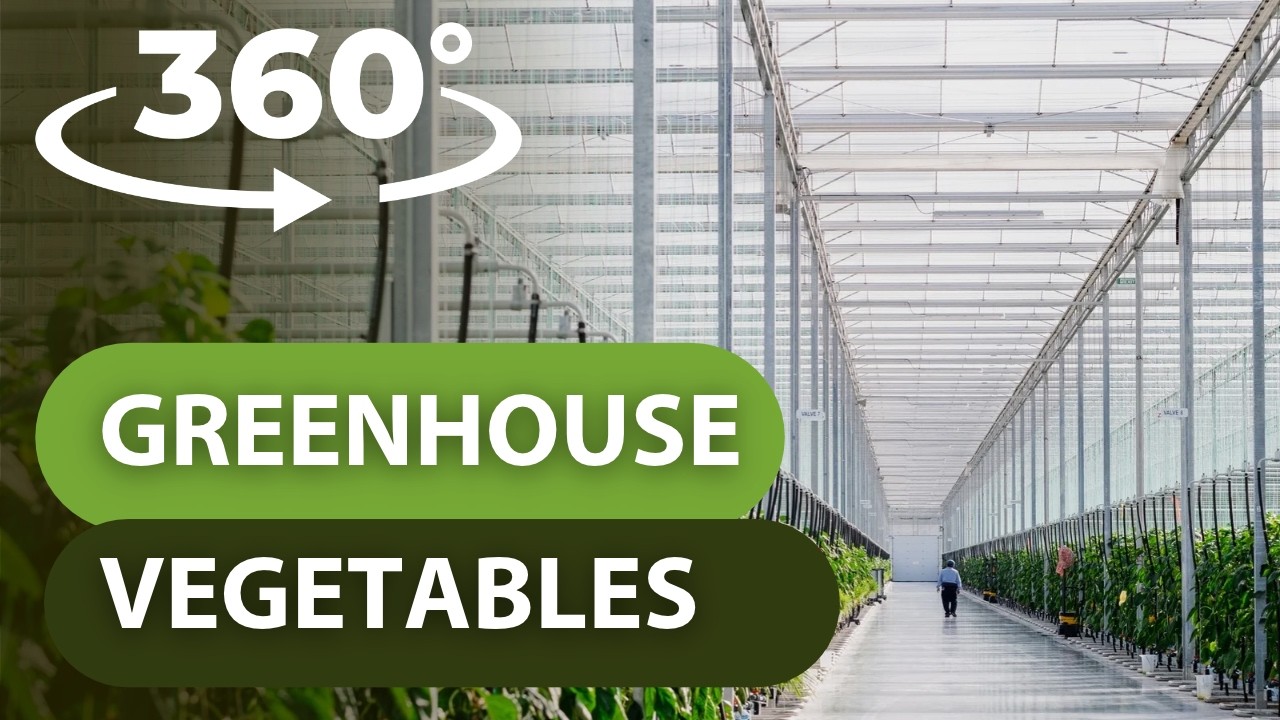
Greenhouse Vegetable Farm (360 tour)
Fly over our greenhouses, cruise down rows of plants and watch the work that is done to bring fresh, flavourful greenhouse produce from our farms to your plate!
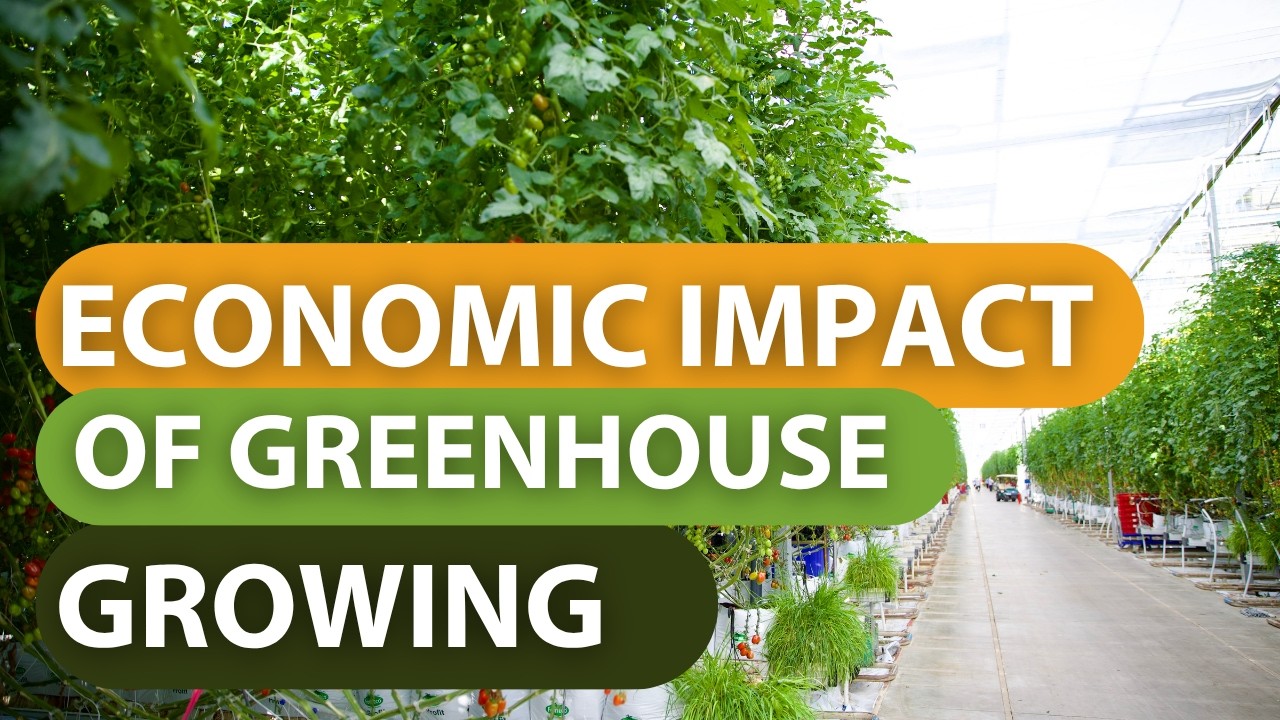
Economic Impact of Greenhouse Growing
Discover how greenhouse growing drives economic growth, creates hundreds of local jobs, and generates over billions of dollars in exports. Local growers ensure food security and can supply major North American markets within hours.
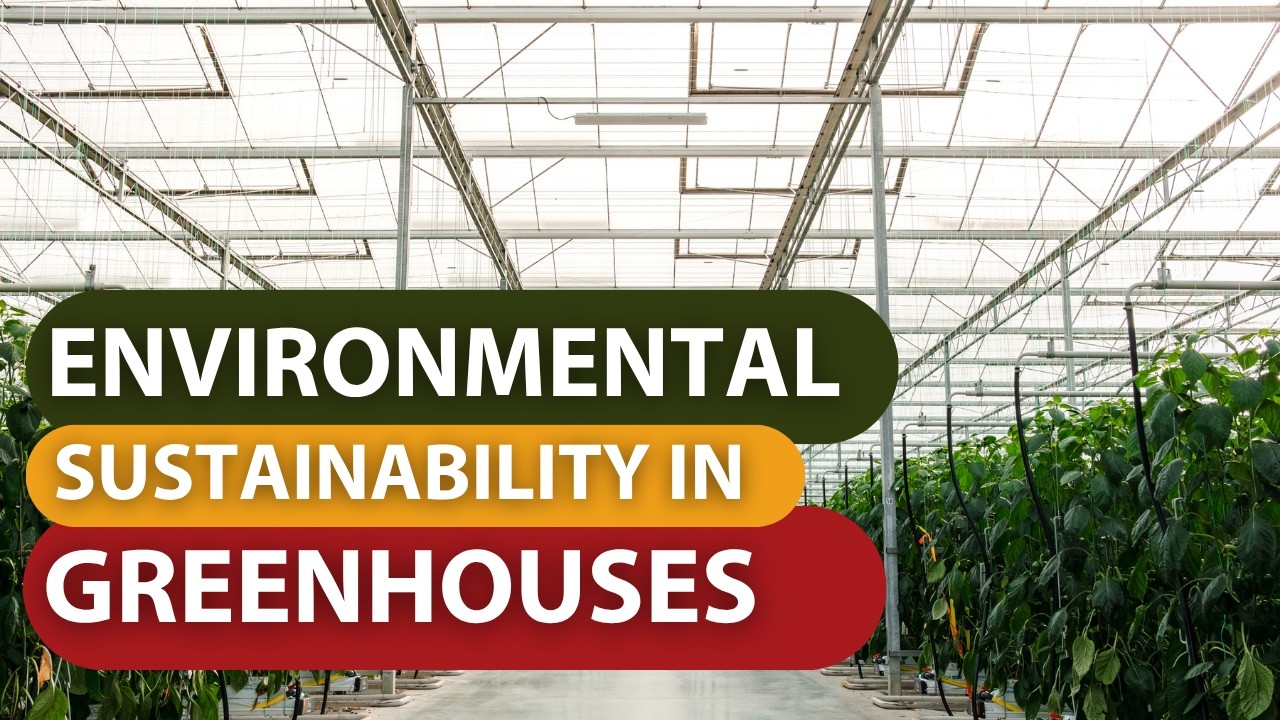
Environmental Sustainability in Greenhouses
Greenhouse growing prioritizes environmental sustainability through recycled water systems. Additionally, they employ integrated pest management (IPM), strict biosecurity protocols, energy curtains, and smart lighting to optimize crop health and minimize environmental impact.
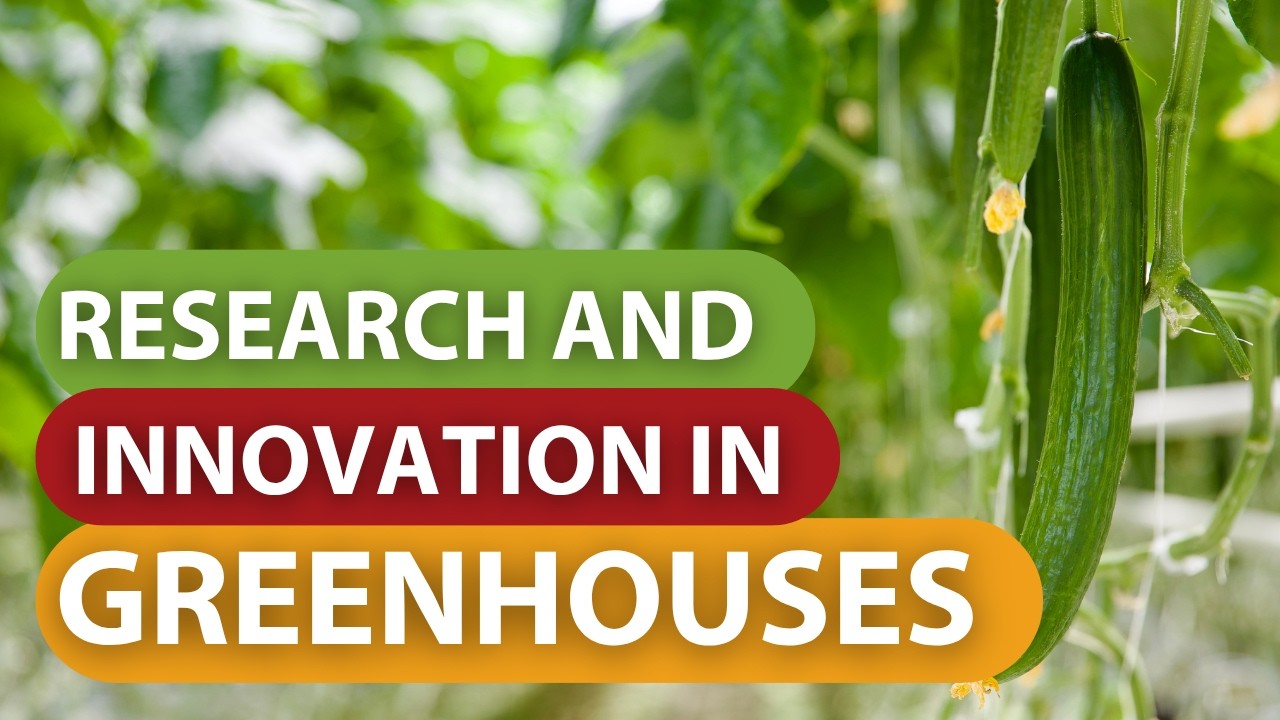
Research and Innovation in Vegetable Greenhouses
Modern greenhouse growing relies heavily on advanced automation and technology. Utilizing autonomous vehicles, climate sensors, and data-driven workflow systems, growers can ensure consistent year-round quality.
Workforce and Labour in Greenhouses
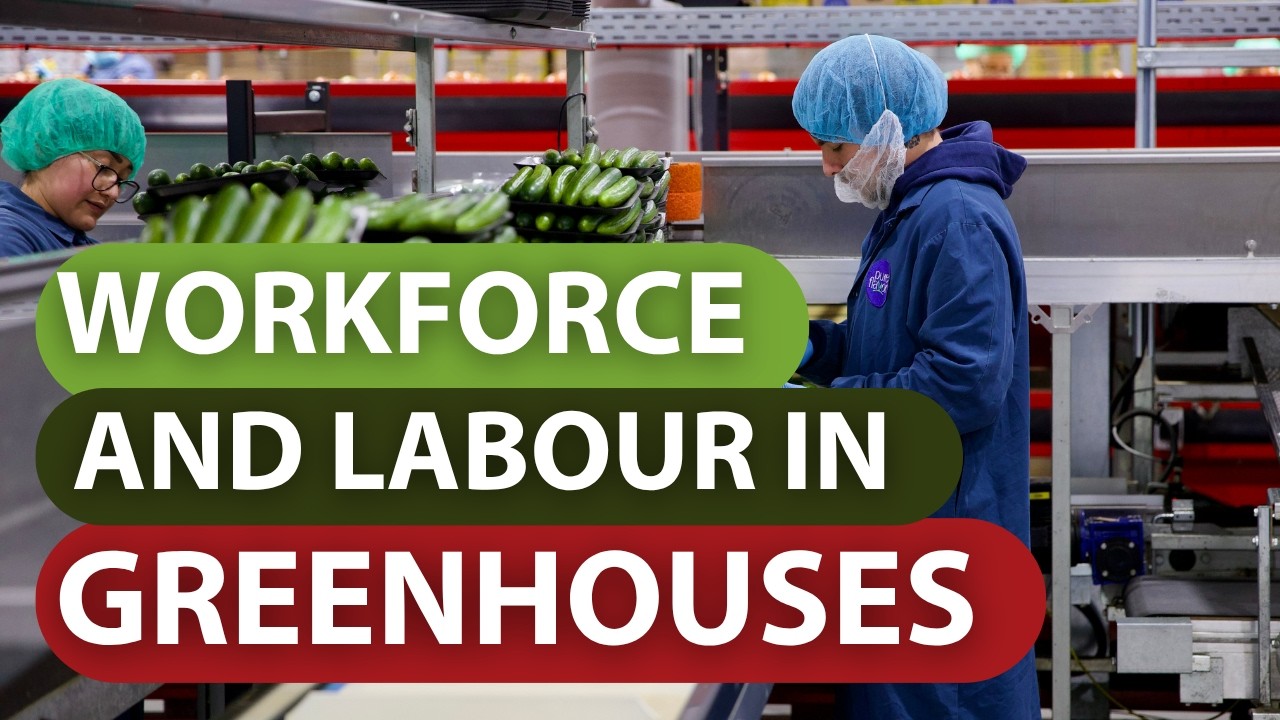
Modern greenhouse operations rely on a diverse, skilled workforce ranging from basic roles to specialized positions in engineering, maintenance, finance, IT, and marketing.
Quick Facts:
- Over 70 per cent of Canada’s greenhouse vegetables are grown in Ontario. Tomatoes, peppers, and cucumbers cover more than 4,500 acres – or about 11,500 NHL hockey rinks.
- Greenhouse growers often grow plants in a medium such as rockwool or coconut fibre. This means no weeds and no need for synthetic herbicides. Growing in a clean medium also minimizes disease problems.
- Biosecurity refers to the procedures, policies and measures used to protect the greenhouse plants and ecosystems from harmful biological threats that might be brought in from outside.
- Greenhouse vegetables are grown using trellis systems which are vertical support networks used to grow vining crops upwards. They maximize floor space, improve light and airflow and increase crop yields for plants like tomatoes, cucumbers and peppers. Many crops can grow over one foot per week!
- Technology is very important in greenhouses. Autonomous carts are often used to transport harvested crops to the packaging area. They save on labour and streamline the workflow between the growing area and the packing plant.
- Most greenhouse crops are grown using drip irrigation. This method conserves water and fertilizer by delivering it directly to the plant roots. Any excess water is collected, sanitized, enriched with nutrients and recycled back through the drip system.
- Ontario greenhouse tomatoes, peppers, and cucumbers contribute more than $2.4 billion to Ontario’s GDP, and growing, with a farmgate value of over $2 billion.
- The Ontario vegetable greenhouse sector supports over 41,000 jobs across the value chain in Ontario.
- There is more than 725 million KG of fresh greenhouse tomatoes, peppers, and cucumbers grown in Ontario.
- Ontario greenhouse farms practice Integrated Pest Management (IPM), utilizing beneficial insects such as ladybugs and mites to protect crops from harmful pests. This method minimizes chemical interventions.
- Most greenhouse vegetable farmers are less than a one day’s drive from a majority of the markets they serve.
- Bumblebees are used to naturally pollinate produce. This improves the quality and quantity of the produce grown and help reduce the need for chemical and pesticides.
- In order to ensure an optimal temperature is maintained, many greenhouses use a special boiler system to heat their operations. As Carbon Dioxide is expelled, it can be captured and filtered, and can then be used as a natural fertilizer to feed their growing plants.
- Ontario greenhouse growers can yield up to 20 times more produce per square meter than outdoor agriculture. The controlled environment, hydroponic growing technology and other innovations like LED lights allow farmers to grow a uniform crop year-round while reducing waste, maximizing yield and quality.
- Ontario has the largest concentration of greenhouses in North America